
World Cup for Beginners: Everything You Need to Know
By Redacción Futbollibre · Published October 21, 2026
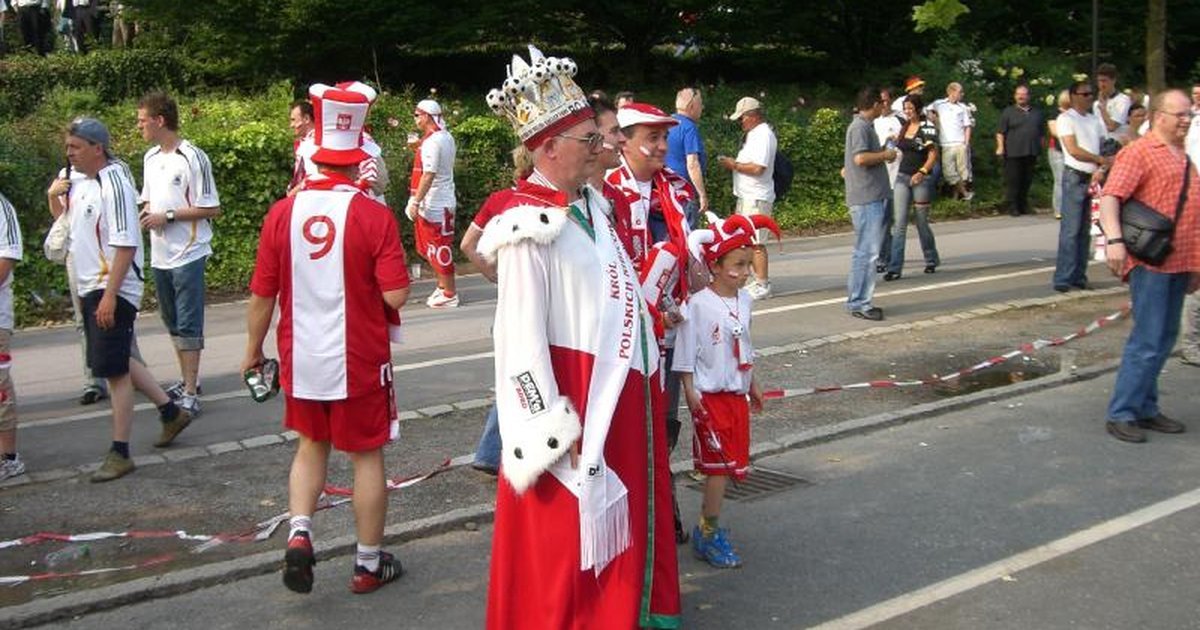
The FIFA World Cup is the biggest event in football — and, by most measures, the biggest sporting event on the planet. Every four years, national teams from every continent compete for a single trophy, and for about a month the tournament dominates conversation in every corner of the world. If you are new to football, the World Cup is the perfect place to start: the stakes are simple, the drama is unmatched, and you only have to wait four years between editions.
This beginner's guide covers everything you need to know: what the World Cup is, how often it is held, how the tournament works from qualification to the final, the history and records that every fan knows, and how to follow the action. By the end, you will understand the tournament like a lifelong supporter.
What exactly is the World Cup?
The FIFA World Cup is the world championship for men's national football teams, organized by FIFA, the sport's global governing body. Unlike club competitions such as the Champions League — where teams like Real Madrid or Manchester City buy and sell players — the World Cup is contested by countries. Players represent the nation of their citizenship, which is why the tournament carries such emotional weight: it is about national pride as much as football.
The first World Cup was held in Uruguay in 1930, when thirteen teams gathered in Montevideo and the hosts beat Argentina 4–2 in the final. From that modest beginning it grew into a global phenomenon. The most recent edition was played in June and July 2026 and was won by Spain, who lifted the trophy as world champions.
There is also a FIFA Women's World Cup, held every four years on its own cycle — Spain won the 2023 edition. When people say "the World Cup" without qualification, though, they almost always mean the men's tournament, which is what this guide covers.
How often is the World Cup held — and why every four years?
The World Cup takes place every four years. The four-year cycle is a deliberate tradition inherited from the Olympic Games: it keeps the tournament rare enough to feel special. Club football gives fans matches every week; the World Cup gives them a once-in-a-generation stage where players have only a handful of chances in their entire careers to become legends.
The rhythm also shapes how fans experience it. Qualifying campaigns stretch across two to three years, building storylines — surprise packages, fallen giants, dramatic final-day playoffs — long before the finals begin. By the time the tournament kicks off, every qualified nation has a narrative, and even casual viewers find themselves swept up in it.
The only interruptions in the tournament's history came during the Second World War, when the 1942 and 1946 editions were cancelled. Every other edition since 1930 has gone ahead on schedule.
How does the tournament work? Format basics
The World Cup has two phases: a long qualification process and the finals tournament itself.
Qualification. More than 200 national teams enter qualification, organized through FIFA's six continental confederations: UEFA (Europe), CONMEBOL (South America), CONCACAF (North and Central America and the Caribbean), CAF (Africa), AFC (Asia) and OFC (Oceania). Each confederation runs its own qualifying competition — groups, playoffs and intercontinental playoffs — and is allocated a number of slots at the finals. The host nation (or host nations) qualify automatically without playing qualifiers.
The finals: group stage. The qualified teams are drawn into groups. In the group stage, each team plays the others in its group once, earning three points for a win and one for a draw. The top teams in each group advance to the knockout rounds.
The finals: knockout stage. From here it is single elimination: lose once and you are out. Tied knockout matches go to extra time — two 15-minute periods — and if still level, to a penalty shootout. The bracket runs through the round of 32, round of 16, quarterfinals and semifinals, ending with the final. There is also a third-place match between the two losing semifinalists.
The tournament has grown enormously: from 13 teams in 1930 to 32 teams for a quarter of a century, and 48 teams from the 2026 edition onward — which is why the modern World Cup lasts about a month and features more than 100 matches.
A short history: the moments that built the legend
You do not need to know every edition, but a few tournaments define what the World Cup means.
Uruguay 1930: the first World Cup. Thirteen teams, a brand-new Estadio Centenario in Montevideo, and a 4–2 final win for the hosts over Argentina. It proved the idea could work.
Brazil, the record champions: no nation is more associated with the World Cup than Brazil, winners a record five times — in 1958, 1962, 1970, 1994 and 2002. The 1970 team, featuring Pelé, is still called the greatest international side ever assembled, and Pelé remains the only player to win three World Cups as a player.
England 1966: England's only triumph, won on home soil, remembered for the controversial "was it over the line?" goal in the final against West Germany.
Mexico 1986: Diego Maradona's tournament. His two goals against England in the quarterfinal — the infamous "Hand of God" followed minutes later by the "Goal of the Century" — remain the most talked-about individual performance in World Cup history.
Spain 2010: Spain's first world title, won in South Africa with the tiki-taka passing style, sealed by Andrés Iniesta's extra-time goal against the Netherlands in the final.
Brazil 2014 and Russia 2018: Germany's stunning 7–1 semifinal demolition of hosts Brazil in 2014, followed by Germany's fourth title; then France's vibrant young team winning in 2018.
Qatar 2022: Argentina, led by Lionel Messi, beat France on penalties in one of the greatest finals ever played — a 3–3 thriller that gave Messi the one trophy missing from his career.
2026: the expanded 48-team edition, played in June and July 2026, ended with Spain crowned world champions — the Roja's second star.
Records every football fan should know
A handful of records come up in every World Cup conversation, and knowing them instantly makes you sound like an insider.
Most titles: Brazil with five. Germany and Italy follow with four each. Argentina has three, and France, Uruguay and Spain have two apiece.
Most goals overall: Germany's Miroslav Klose, with 16 goals across four tournaments (2002–2014).
Most goals in a single tournament: France's Just Fontaine, with an astonishing 13 goals at the 1958 World Cup in Sweden — a record that has stood for nearly seventy years.
Most matches played: Germany's Lothar Matthäus, with 25 World Cup appearances across five tournaments.
Youngest scorer in a final: Pelé, who was just 17 when he scored twice for Brazil in the 1958 final against Sweden.
Three-time winners as players: only Pelé (1958, 1962, 1970) has won three World Cups on the pitch — one of the most unbreakable records in sport.
The trophy: what the winners lift
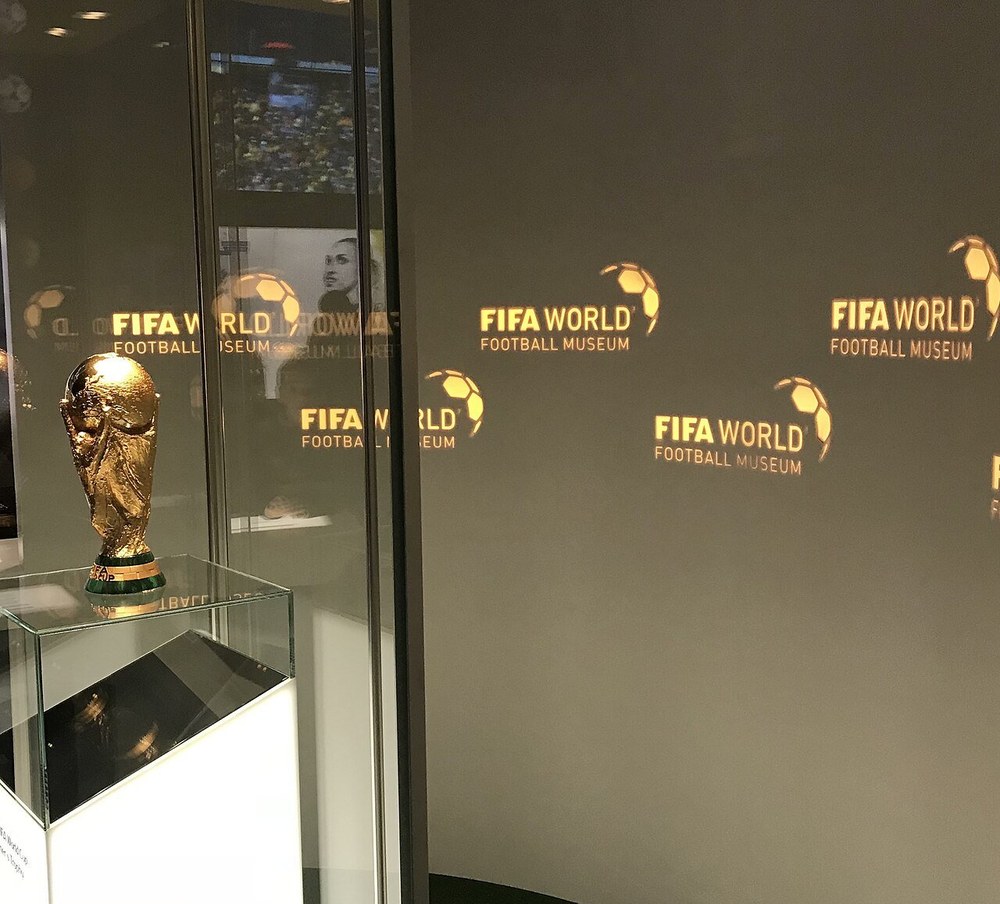
The current trophy, officially the FIFA World Cup Trophy, has been awarded since 1974. Made of 18-carat gold, it depicts two human figures holding up the Earth, and it replaced the original Jules Rimet Trophy — named after the FIFA president who created the tournament — after Brazil earned permanent possession of the original by winning it for the third time in 1970.
Unlike the old trophy, the current one is never given away permanently: winners receive a replica to keep, while the original stays with FIFA and is brought out for each final. The names of every winning nation since 1974 are engraved on its base — a roll call of football history you can read like a timeline.
World Cup vs. the Euros, Copa América and Champions League
New fans often mix up the big tournaments, so here is the simple distinction. The World Cup is global and for national teams, every four years. The UEFA European Championship (Euros) and Copa América are the continental equivalents for Europe and South America — also national teams, also every four years, but smaller and played in the years between World Cups.
The UEFA Champions League is completely different: it is for clubs, not countries, and it is played every single season. That is where you watch Messi-era Barcelona, Guardiola's Manchester City or Real Madrid's European nights. The World Cup is rarer, bigger and — because players cannot be bought or transferred between nations — the purest test of a country's football culture.
How to follow the World Cup as a beginner
Following the tournament is easy, even if you have never watched football before. Matches are broadcast by official rights holders in every country — check your local sports channels and streaming platforms when the tournament approaches, and always prefer the official broadcasts, which fund the sport.
A few tips for first-timers: learn the groups your favorite teams are in, because the group stage decides everything; watch at least one full match rather than just highlights, since football's tension builds over 90 minutes; and follow the knockout bracket, where every match is win-or-go-home drama. Our football live scores page is a handy companion during any tournament for keeping track of results as they happen.
Most importantly, pick a team to care about — your own country if it qualifies, or an underdog with a good story. The World Cup is at its best when you have someone to cheer for.
Quick answers
What is the FIFA World Cup? The world championship for men's national football teams, organized by FIFA every four years. The first edition was held in Uruguay in 1930.
How often is the World Cup played? Every four years. The four-year cycle keeps the tournament special — players typically get only three or four chances in their careers to win it.
How many teams play in the World Cup? The tournament grew from 13 teams in 1930 to 32 teams, and expanded to 48 teams from the 2026 edition onward.
Which country has won the most World Cups? Brazil, with five titles (1958, 1962, 1970, 1994 and 2002). Germany and Italy have four each.
Who won the most recent World Cup? Spain won the 2026 edition, played in June and July 2026 — the Roja's second world title after 2010.
What happens if a knockout match ends in a draw? It goes to extra time (two 15-minute periods) and then, if still level, to a penalty shootout to decide who advances.
Fútbol Libre is a guide to official viewing options.