
FIFA World Cup Brackets: The 2026 Knockout Stage Explained
By Redacción Futbollibre · Published October 21, 2026 · Updated November 15, 2026
The 2026 World Cup introduced a knockout bracket unlike any seen before. With 48 teams in the field, FIFA added a brand-new round of 32 to the knockout stage: 32 teams, 16 ties, win-or-go-home from the very first knockout match. This guide explains the FIFA World Cup brackets for 2026 — how the bracket was built, every verified result round by round, and how Spain navigated it all the way to a 1-0 extra-time win over Argentina in the final at MetLife Stadium on July 19, 2026.
The bracket began with the 24 automatic qualifiers — the winners and runners-up of the 12 groups — plus the eight best third-placed teams. From there, the road to the final ran through five rounds: the round of 32, the round of 16, the quarter-finals, the semi-finals, and the final, with a third-place playoff for the beaten semi-finalists.
Building the bracket: who qualified from the groups
The 12 group winners were Mexico, Switzerland, Brazil, USA, Germany, Netherlands, Belgium, Spain, France, Argentina, Colombia and England. The 12 runners-up were South Africa, Canada, Morocco, Australia, Ivory Coast, Japan, Egypt, Cape Verde, Norway, Austria, Portugal and Croatia. And the eight best third-placed teams — DR Congo, Sweden, Ghana, Ecuador, Bosnia-Herzegovina, Algeria, Paraguay and Senegal — completed the 32-team field.
The headline story of the group stage was Cape Verde. On their World Cup debut, they finished second in Group H with three points, behind Spain and ahead of two-time champions Uruguay, to reach the knockout bracket at the first attempt.
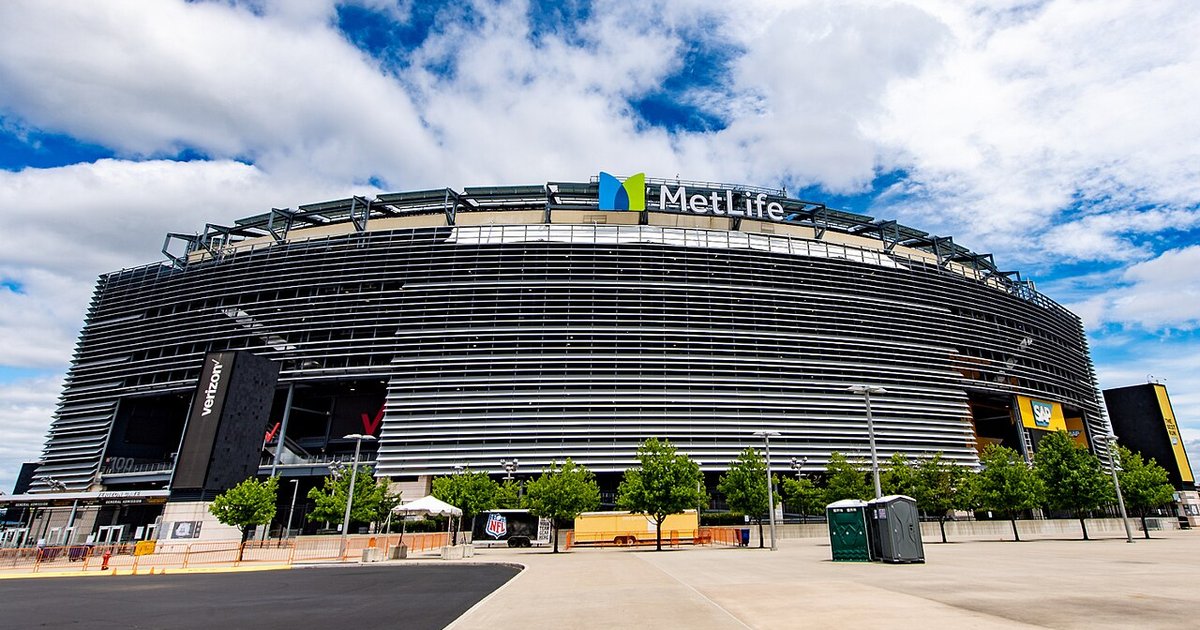
Photo: Thecoolone1223, CC BY 4.0, via Wikimedia Commons — MetLife Stadium in East Rutherford, New Jersey, where the final was played.
Round of 32: the bracket's 16 ties
The opening knockout round paired the 32 survivors into 16 ties. Spain, the eventual champions, opened against Austria. Argentina began against debutants Cape Verde. Hosts USA faced Bosnia & Herzegovina, Mexico met Ecuador, and France — one of three teams with a perfect nine-point group record, alongside Mexico and Argentina — drew Sweden.
| Tie | Fixture | Advanced |
|---|---|---|
| 1 | Germany vs Paraguay | — |
| 2 | France vs Sweden | France |
| 3 | South Africa vs Canada | — |
| 4 | Netherlands vs Morocco | Morocco |
| 5 | Portugal vs Croatia | Portugal |
| 6 | Spain vs Austria | Spain |
| 7 | USA vs Bosnia & Herzegovina | USA |
| 8 | Belgium vs Senegal | Belgium |
| 9 | Brazil vs Japan | — |
| 10 | Ivory Coast vs Norway | Norway |
| 11 | Mexico vs Ecuador | — |
| 12 | England vs DR Congo | England |
| 13 | Argentina vs Cape Verde | Argentina |
| 14 | Australia vs Egypt | Egypt |
| 15 | Switzerland vs Algeria | Switzerland |
| 16 | Colombia vs Ghana | Colombia |
The "Advanced" column shows the teams known to have progressed, based on their confirmed presence in later rounds: Spain, Argentina, England, France, Belgium, Norway, Switzerland, Morocco, Portugal, Egypt, USA and Colombia all won in the round of 32 to reach the last 16.
Round of 16: verified results
Eight ties, four verified results on record. Argentina survived a thriller against Egypt, winning 3-2. Belgium ended the hosts' run with a 4-1 win over the USA. Spain edged Portugal 1-0 in an all-Iberian tie. And Switzerland advanced past Colombia after a 0-0 draw.
| Fixture | Result |
|---|---|
| Argentina vs Egypt | 3-2 |
| Belgium vs USA | 4-1 |
| Spain vs Portugal | 1-0 |
| Switzerland vs Colombia | 0-0 (Switzerland advanced) |
England, Norway, France and Morocco also won their round-of-16 ties, completing a quarter-final lineup of Argentina, Switzerland, England, Norway, Spain, Belgium, France and Morocco.
Spain's road to the final
Spain's bracket run was a masterclass in control. After winning Group H with seven points, they beat Austria in the round of 32, edged Portugal 1-0 in the round of 16, beat Belgium 2-1 in the quarter-final, and shut out France 2-0 in the semi-final. That set up the final against Argentina — and across those five knockout rounds plus three group games, Spain conceded just one goal in eight matches, finishing the tournament unbeaten.
Coached by Luis de la Fuente, Spain's reward was a second World Cup star, sixteen years after their 2010 triumph. The final itself was the tightest test of their campaign: 90 goalless minutes against Argentina before Ferran Torres struck in the 106th minute of extra time.
Argentina's road to the final
Argentina entered the bracket as Group J winners with a perfect nine points. They opened the knockouts against debutants Cape Verde, then beat Egypt 3-2 in the round of 16 in the highest-scoring verified tie of that round. A 3-1 quarter-final win over Switzerland followed, and a 2-1 semi-final victory over England put them into the final.
At 39, Lionel Messi was playing his sixth World Cup, and the final at MetLife Stadium was his stage. But Argentina managed only three shots in the final and, remarkably, failed to register a single shot on target — the first time that has ever happened in a World Cup final. Dibu Martínez's 11 saves, a record for a final, kept Argentina in the match until Torres broke through in extra time.
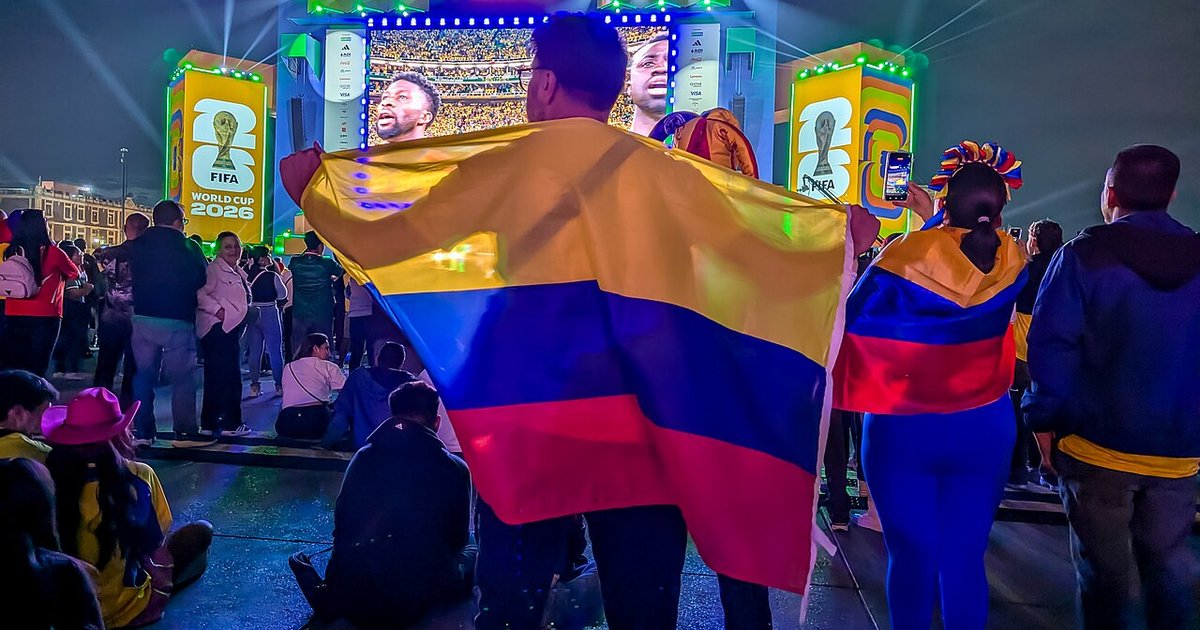
Photo: ProtoplasmaKid, CC BY 4.0, via Wikimedia Commons — fans following the 2026 World Cup at a fan festival in Mexico.
Quarter-finals and semi-finals: the verified scores
The bracket's business end produced four quarter-finals and two semi-finals with verified results:
| Quarter-final | Result |
|---|---|
| Argentina vs Switzerland | 3-1 |
| England vs Norway | 2-1 |
| Spain vs Belgium | 2-1 |
| France vs Morocco | 2-0 |
| Semi-final | Result |
|---|---|
| Spain vs France | 2-0 |
| Argentina vs England | 2-1 |
England's run ended in the semi-finals, but they finished the tournament on a high: a 6-4 win over France in the third-place playoff, a ten-goal thriller, secured third place.
The final: how the bracket ended
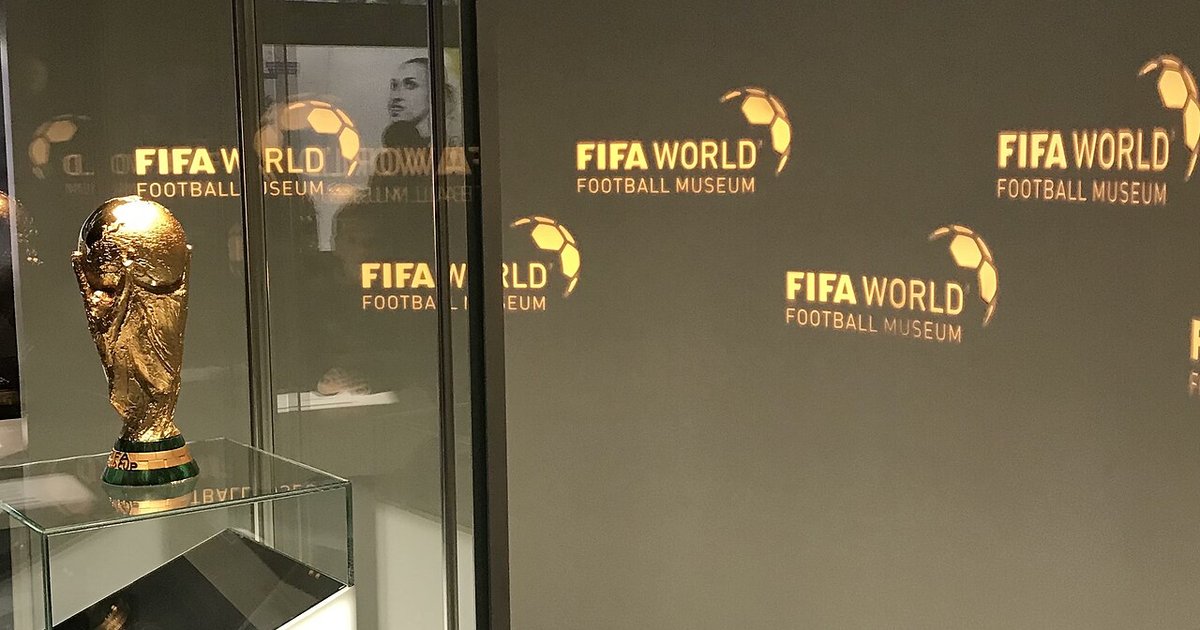
Photo: Ank Kumar, CC BY-SA 4.0, via Wikimedia Commons — the FIFA World Cup trophy.
Every bracket ends with one match, and this one ended at MetLife Stadium on July 19, 2026. Spain 1-0 Argentina after extra time. Ferran Torres' 106th-minute goal, set up by a Nico Williams header, decided it. Spain outshot Argentina 20 to 3. It was Spain's second title, won unbeaten, with one goal conceded in eight games.
Quick answers
How did the 2026 World Cup bracket work? 32 teams qualified from the groups — 24 automatic qualifiers plus the eight best third-placed teams — and played a single-elimination bracket: round of 32, round of 16, quarter-finals, semi-finals, third-place playoff and final.
Who won the 2026 World Cup? Spain, beating Argentina 1-0 in extra time in the final at MetLife Stadium. Ferran Torres scored in the 106th minute.
What were the semi-final results? Spain beat France 2-0 and Argentina beat England 2-1.
Who finished third at World Cup 2026? England, who beat France 6-4 in the third-place playoff.
What was new about the 2026 knockout format? A round of 32 opened the knockout stage for the first time, because 32 teams — rather than 16 — advanced from the expanded group stage.
Where can I download a printable FIFA World Cup 2026 bracket PDF? Free printable brackets were available at soccer2026.app/bracket in 19 languages, in blank and pre-filled versions, and free printable schedule PDFs covered all 104 matches with the knockout bracket included. The official interactive bracket lives on FIFA.com.
Was there an official FIFA World Cup 2026 bracket challenge? Yes. FIFA ran a free-to-play Bracket Challenge in the FIFA Play Zone at play.fifa.com, where fans predicted every round and competed with friends, with ADI Predictstreet as presenting partner. ESPN also ran a free bracket challenge with $10,000 in prizes. Both challenges are now closed because the tournament has ended.
How the 32-team bracket was built
The 2026 bracket was assembled from three streams: the 12 group winners, the 12 runners-up, and the eight best third-placed teams. That made 32 — double the 16 that used to go straight from groups to knockouts — which is why the round of 32 existed at all. Every tie from that point was single elimination: win and advance, lose and go home, with drawn ties settled beyond 90 minutes.
The 12 group winners feeding the bracket were Mexico, Switzerland, Brazil, USA, Germany, Netherlands, Belgium, Spain, France, Argentina, Colombia and England. The runners-up were South Africa, Canada, Morocco, Australia, Ivory Coast, Japan, Egypt, Cape Verde, Norway, Austria, Portugal and Croatia. The eight best thirds — DR Congo, Sweden, Ghana, Ecuador, Bosnia-Herzegovina, Algeria, Paraguay and Senegal — completed the field.
The quarter-finalists: how each got there
Argentina won Group J with nine points, beat Cape Verde in the round of 32, edged Egypt 3-2 in the round of 16, and beat Switzerland 3-1 in the quarter-final before defeating England 2-1 in the semi-final. Switzerland won Group B with seven points, beat Algeria in the round of 32, advanced past Colombia after a 0-0 draw in the round of 16, and lost 3-1 to Argentina in the quarter-final.
England won Group L with seven points, beat Norway 2-1 in the quarter-final, lost 2-1 to Argentina in the semi-final, and then beat France 6-4 in a ten-goal third-place playoff. Norway finished second in Group I with six points and reached the quarter-finals, where England edged them 2-1.
Spain won Group H with seven points, beat Austria in the round of 32, edged Portugal 1-0 in the round of 16, beat Belgium 2-1 in the quarter-final, shut out France 2-0 in the semi-final, and beat Argentina 1-0 in extra time in the final. Belgium won Group G with five points, beat the USA 4-1 in the round of 16, and lost 2-1 to Spain in the quarter-final.
France won Group I with a perfect nine points, beat Morocco 2-0 in the quarter-final, lost 2-0 to Spain in the semi-final, and lost the third-place playoff 6-4 to England. Morocco finished second in Group C with seven points and reached the quarter-finals, where France beat them 2-0.
What made the 2026 bracket historic
Three firsts defined the 2026 knockout stage. It was the first World Cup bracket to open with a round of 32, a direct consequence of the 48-team expansion. It was the first bracket to include four debutant nations — Cape Verde, Curaçao, Jordan and Uzbekistan — with Cape Verde reaching the round of 32. And it was the first bracket played across three host nations, ending at MetLife Stadium in New Jersey on July 19, 2026, with Spain's 1-0 extra-time win over Argentina.
The bracket also confirmed a changing of the guard at the very top: Spain's second title, won unbeaten with one goal conceded in eight matches, against an Argentina side led by a 39-year-old Messi in his sixth World Cup.
Debutants and hosts in the bracket
The 2026 bracket made room for history's newcomers. Cape Verde, on their World Cup debut, reached the round of 32 after finishing second in Group H — and were rewarded with a tie against Argentina, the eventual runners-up. It was the standout debutant story of the expanded tournament.
The three host nations all reached the bracket. Mexico, perfect in Group A with nine points, faced Ecuador in the round of 32. The USA faced Bosnia & Herzegovina in the round of 32 and then lost 4-1 to Belgium in the round of 16. Canada, second in Group B, met South Africa in the round of 32. For the hosts, the new format guaranteed knockout football on home soil — and for the USA, a run to the last 16.
The full bracket at a glance
| Round | Ties | Verified results on record |
|---|---|---|
| Round of 32 | 16 | 16 pairings (see above); 12 advancers confirmed via later rounds |
| Round of 16 | 8 | Argentina 3-2 Egypt; Belgium 4-1 USA; Spain 1-0 Portugal; Switzerland 0-0 Colombia (Switzerland advanced) |
| Quarter-finals | 4 | Argentina 3-1 Switzerland; England 2-1 Norway; Spain 2-1 Belgium; France 2-0 Morocco |
| Semi-finals | 2 | Spain 2-0 France; Argentina 2-1 England |
| Third-place playoff | 1 | England 6-4 France |
| Final | 1 | Spain 1-0 Argentina (aet), July 19, 2026, MetLife Stadium |
FIFA World Cup 2026 bracket printable: the official bracket and free PDFs
Long after the final whistle, the most practical bracket question fans asked had nothing to do with a result: where could they get a printable copy? A FIFA World Cup 2026 bracket printable PDF was the paper companion to the tournament, a single sheet carrying all 48 teams, the 12 groups and the full knockout path from the round of 32 to the final at MetLife Stadium, with blank spaces to write in each winner as the rounds were decided. It was made for kitchen tables, office walls and classrooms, and it worked just as well after the tournament as a keepsake of how the bracket actually played out.
The reference version was FIFA's own. FIFA unveiled the complete official knockout bracket once the group stage ended, showing all 16 round-of-32 ties and the path every team had to take to reach the final, and the interactive bracket on FIFA.com updated as results came in. For a paper copy, fans turned to free printable brackets. The most widely shared was a free printable bracket in 19 languages, offered in two versions: a pre-filled bracket showing the confirmed groups, and a blank bracket for writing in predictions by hand. The images were regenerated as results came in, so a fresh print after each round was always current. Free printable schedule PDFs were also available, covering all 104 matches with the knockout bracket included, in US Letter size and as a large 11 by 17 wall chart, with kick-off times in Eastern Time as published by FIFA.
| What you need | Where to find it | Cost |
|---|---|---|
| Official interactive bracket | FIFA.com tournament pages | Free |
| Official Bracket Challenge | FIFA Play Zone | Free (needs a free FIFA account) |
| Printable bracket in 19 languages | soccer2026.app/bracket | Free |
| Printable schedule and wall-chart PDF | Free printable PDFs in Letter and 11 by 17 sizes | Free |
One honest note: the tournament is over, so any printable bracket downloaded now is a record rather than a prediction sheet. The completed bracket is the answer key, ending with Spain's 1-0 extra-time win over Argentina in the final on 19 July 2026. That makes a printed bracket more useful, not less. Fill in your pre-tournament picks from memory, compare them with what really happened, and you can see in one glance where your bracket held together and where it fell apart.
Bracket challenge, predictor and simulator: how fans played the 2026 bracket
Filling in a bracket was the 2026 World Cup's great shared game, and FIFA ran an official version of it. The free-to-play Bracket Challenge in the FIFA Play Zone at play.fifa.com let fans predict the outcome of every round, from the group stage through the final, and compete with friends in private leagues. FIFA described it as its globally recognised free-to-play bracket challenge, with ADI Predictstreet as its presenting partner. The Play Zone also carried a Match Predictor for individual fixtures, a fantasy team builder, a daily trivia quiz and a Player of the Match vote. It was free to use, although a free FIFA account was needed for the full suite of games.
The best-known alternative came from ESPN, whose free World Cup Bracket Challenge carried $10,000 in prizes and opened once the group stage ended on 27 June, asking fans to fill in every round from the round of 32 to the final. Dozens of fan-run challenges worked the same way, and most of them locked entries before the first kick-off on 11 June 2026, although knockout-only games let late joiners start from the real round-of-32 line-up. Whatever the platform, the appeal was the same: a bracket turned watching into a competition, and every upset redrew dozens of entries at once.
Scoring followed the same pattern almost everywhere: later rounds were worth more than early ones. In one popular format, points doubled with each round, so picking the champion was worth far more than picking a round-of-32 winner; in another, group-stage rankings earned a handful of points each while knockout picks grew in value round by round. The logic is simple. Almost anyone can pick a favourite to win a single tie, but calling the full path to the trophy, through five knockout rounds, is the hard part, and the scoring rewarded it accordingly.
Bracket simulators went one step further than a static sheet. A FIFA World Cup 2026 bracket simulator let fans play out the whole tournament before committing to their picks: rank the groups, choose the eight best third-placed teams, and watch the knockout bracket seed itself. Free browser tools did exactly that, including one that applied FIFA's official Annex C table, all 495 possible combinations of third-placed qualifiers, to work out the correct round-of-32 ties. Used honestly, a simulator was a way to test a hunch, such as what happened to your bracket if a favourite fell early, before locking in a challenge entry. It was a rehearsal, not a crystal ball: no simulator could guarantee an outcome, and the bracket that really happened, with Spain conceding one goal in eight matches on the way to the title, rewarded the patient picks as much as the bold ones.