
Premier League
Quick answer: Premier League explained: history, format, table rules, the 2026-27 season and official broadcasters in Canada, the UK and the USA.
The Premier League is the most watched football league on the planet. Every week, from August to May, 20 clubs play 38 matches each in a race for the title, for European places and against relegation — and every week, millions of people search for the Premier League to find out where their club stands. This page is the hub for all of it: what the Premier League is, how it works, how its famous table is decided, who plays in it in 2026-27, and where to watch it legally in Canada, the UK, the USA and beyond. If you want the table itself explained column by column, our Premier League table guide does that in full; this page is the league itself.
One thing first, stated plainly: this page shows no live table and no live scores. A table that changes after every goal cannot be honestly shown on a static page — a copied snapshot from last weekend would be wrong today. You will always find the current standings on the official Premier League site: premierleague.com/tables. What you get here is the knowledge to follow the league properly — and to know exactly where to check it and where to watch it.
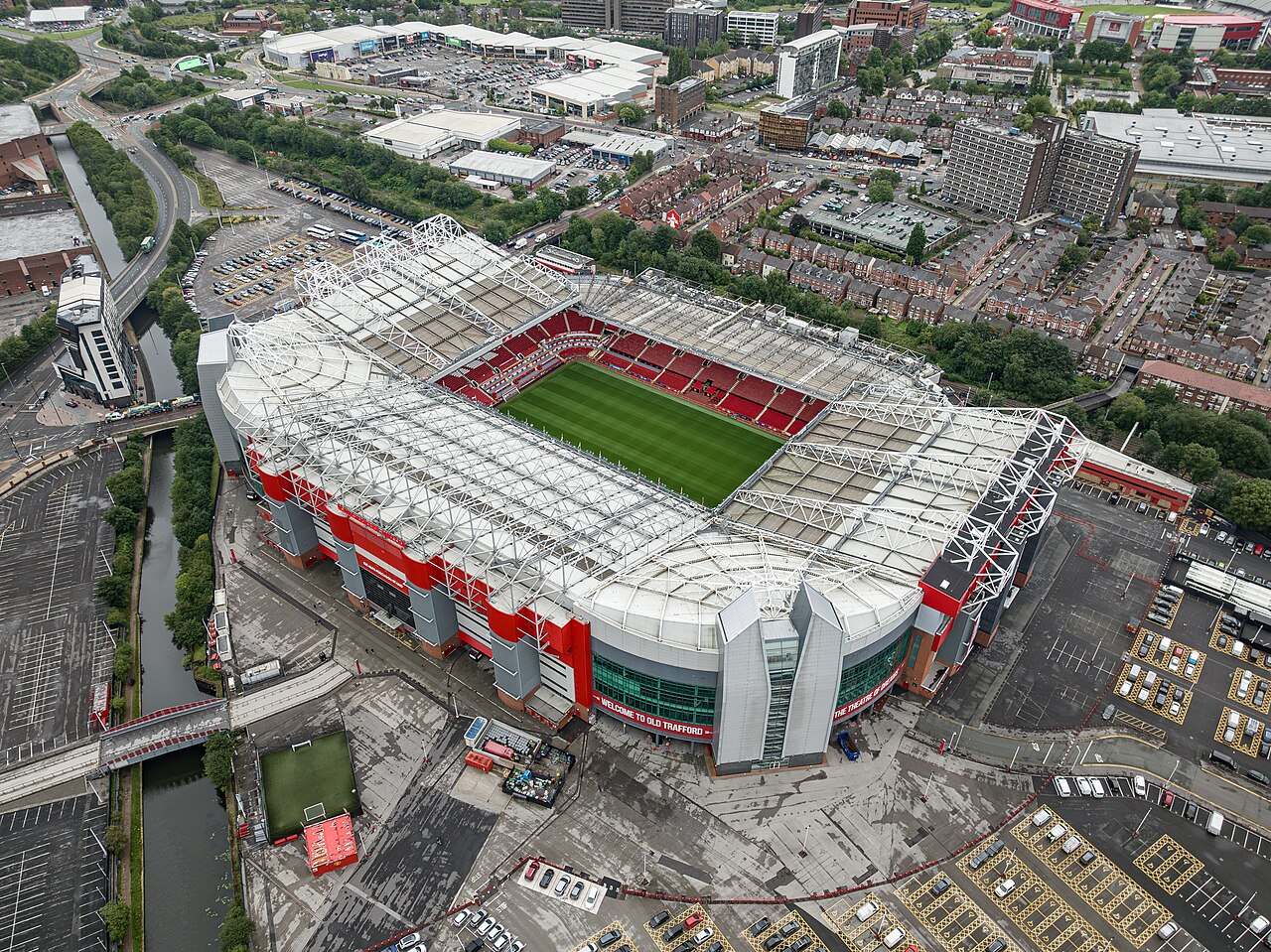
Photo: Arne Müseler, CC BY-SA 3.0 DE, via Wikimedia Commons

What is the Premier League?
The Premier League is the top division of English football. It was founded in 1992, when the 22 clubs of the old First Division broke away from the Football League to form a new top flight, and the first season was 1992-93. In 1995-96 the league shrank from 22 clubs to the current 20, and the format has held ever since: every club plays every other club twice, once at home and once away, for 38 matches per club and 380 matches in a season.
The league's appeal is simple to state and hard to match. No other domestic league combines the same depth of competition with the same global reach: the title race, the fight for the top four, and the relegation battle all run to the final day in most seasons, and the matches are broadcast in almost every country on earth. The Premier League is also the richest football league in the world, which is why it attracts the best players and managers — and why even the clubs at the bottom of its table can afford squads that would win most other leagues.
Whether you search for "premier league", "pl" or the "english premier league", you mean the same competition: England's top flight, run by the Premier League itself, under the umbrella of the Football Association. It is not the same as the EFL Championship below it, the Scottish Premiership above the border, or the Canadian Premier League across the Atlantic — all of which are explained further down this page.
How the Premier League works
The format is one of the simplest in world football, and that simplicity is part of its appeal. Twenty clubs, each playing 38 matches. A win is worth three points, a draw one point for each team, and a defeat no points. The club with the most points after all 38 matches is the champion. The three clubs with the fewest points are relegated to the EFL Championship, and are replaced by the top two Championship clubs plus the winner of the Championship playoffs. There is no playoff for the title and no split of the league: the table after 38 matches is final.
The 2026-27 season, the 35th season of the Premier League, started on 21 August 2026 and ends on 30 May 2027, with all ten matches of the final matchweek kicking off at the same time. The season started a week later than usual because the 2026 World Cup ran through June and July 2026. Arsenal are the defending champions, having won the 2025-26 title, while Coventry City, Ipswich Town and Hull City were promoted from the Championship in place of the relegated West Ham United, Burnley and Wolverhampton Wanderers.
How the Premier League table works
The table sorts clubs by points, and separates clubs level on points by goal difference first — goals scored minus goals conceded — then by goals scored, then by head-to-head points, then by head-to-head away goals. If everything is still level for a position that matters, the two sides play a one-off playoff at a neutral venue, which has never actually happened. Two things in that order surprise fans: goal difference comes before head-to-head, the opposite of Spain, where the direct meetings decide first; and a club can sit above a rival it lost to twice, and the table is still correct.
Every column in the table is explained in full — position, played, won, drawn, lost, goals for, goals against, goal difference, points and form — in our Premier League table explained guide, with a worked example and the common mistakes to avoid. The short version: points decide almost everything, goal difference decides almost everything else, and the P (played) column matters whenever postponements leave clubs on different numbers of matches.
Title race, European places and relegation
The top of the table decides the champion and the European places. The champion takes the title; the top four — or five, when England earns an extra Champions League place through UEFA's European Performance Spots, which is confirmed for each season — qualify for the UEFA Champions League. The next places take the UEFA Europa League and the UEFA Conference League, with the FA Cup winners taking a Europa League place and the EFL Cup winners taking a Conference League place, which can shuffle the league places if a cup winner has already qualified through the table. At the bottom, the three lowest clubs are relegated to the Championship. Only after the 38th matchweek are the champion, the European qualifiers and the relegated clubs final — a table from matchweek 9 is a snapshot, not a verdict.
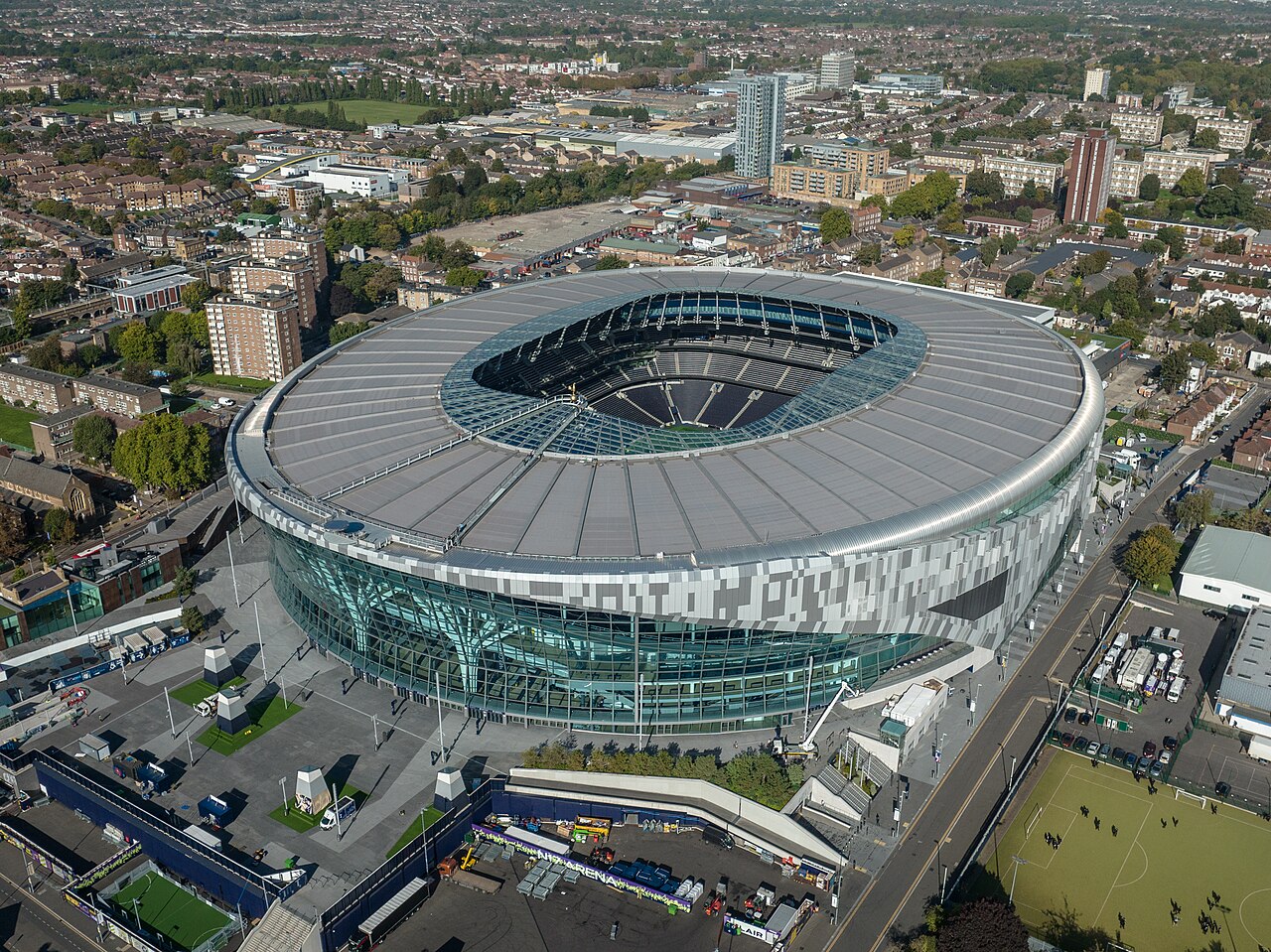
Photo: Arne Müseler, CC BY-SA 3.0 DE, via Wikimedia Commons

The 20 Premier League clubs in 2026-27
The 20 clubs of the 2026-27 Premier League are: Arsenal, Aston Villa, Bournemouth, Brentford, Brighton & Hove Albion, Chelsea, Coventry City, Crystal Palace, Everton, Fulham, Hull City, Ipswich Town, Leeds United, Liverpool, Manchester City, Manchester United, Newcastle United, Nottingham Forest, Sunderland and Tottenham Hotspur. Three of them — Coventry City, Ipswich Town and Hull City — are newly promoted, and all three arrive with the hardest job in English football: staying up. The rest are the established names of the division, from the six traditional giants to the clubs that have made the Premier League their permanent home over the last decade.
The geography of the league tells its own story. London has six clubs — Arsenal, Brentford, Chelsea, Crystal Palace, Fulham and Tottenham Hotspur — more than any other city. The north-west has five: Liverpool, Manchester City, Manchester United, Everton and Leeds United. The rest are spread from Newcastle in the north-east to Bournemouth on the south coast, with the Midlands represented by Aston Villa and Coventry City. That spread is why almost every matchweek has a derby or a rivalry somewhere on the fixture list, and why the away end is never quiet.
A short history of the Premier League
The Premier League began in 1992 as a breakaway, and the break was about television. The First Division clubs wanted to sell their broadcast rights themselves, and the new league's first television deal changed English football's economics overnight. The first champions were Manchester United, in 1992-93, and United dominated the league's first two decades: they have won the most Premier League titles, with 13, all under Sir Alex Ferguson between 1993 and 2013. Manchester City, Chelsea and Arsenal follow in the title count, and the balance of power has shifted between Manchester and London ever since.
The scoring record belongs to Alan Shearer, who scored 260 Premier League goals — a record that has stood since his retirement in 2006 and that no active player has come close to matching. The most famous finish in the league's history came in 2012, when Manchester City won their first title on goal difference over Manchester United, the two clubs level on 89 points after 38 games. That finish is the clearest lesson the table has ever taught: goal difference is not a footnote, and every goal counts, which is why teams chasing the title keep attacking at 4-0 up in August.
The league has also grown far beyond England. The 2026-27 season is the 35th, and the Premier League is now broadcast in almost every country in the world, with overseas rights worth more than the domestic deal in some cycles. Its clubs play in the Champions League and the Europa League every season, its players fill the squads of the World Cup's leading nations, and its 3pm Saturday blackout — the rule that stops live matches being shown in the UK on Saturday afternoons to protect lower-league attendances — is one of the few traditions the television money has not yet swept away.
How to follow the Premier League
Following the league means following three things at once: the table, the fixtures and the results. The table tells you where every club stands; the fixtures tell you what comes next; the results tell you how the table changed. On Fútbol Libre, keep them together: our Premier League table guide explains how to read the standings, our Premier League 2026-27 guide covers the clubs, the calendar and the format of the season, today's fixtures show who plays and when, and live scores and results show how each round reshapes the table. The generic explainer for every league's table is our football league standings guide — this page is the Premier League edition of it.
Timing matters when you follow the league. A table from matchweek 9 is a snapshot: only after the 38th matchweek are the champion, the European qualifiers and the relegated clubs final. Be especially careful when clubs have played different numbers of matches — after a postponement or a rearranged fixture, the P column says more than the position does, and a team in 12th with a game in hand can be mathematically ahead of a team in 9th. Always check the matchweek shown above the table and the number of games played.
Where to watch the Premier League
Premier League rights are sold country by country, so where you watch depends entirely on where you are — and the only safe answer is the official broadcaster for your country. The current international rights cycle covers the 2025-26 to 2027-28 seasons, and the main rights holders for 2026-27 are:
| Country / region | Official broadcaster |
|---|---|
| Canada | Fubo — every match, exclusively |
| United Kingdom | Sky Sports (at least 215 live matches a season) and TNT Sports (52); BBC Sport shows highlights |
| United States | NBC Sports — NBC, USA Network and Peacock |
| Australia | Stan Sport — all 380 matches |
| Spain | DAZN |
| France | Canal+ |
| Germany and Austria | Sky Sport |
| Middle East and North Africa | beIN Sports |
| Sub-Saharan Africa | SuperSport |
For fans in Canada, the answer is simple: Fubo holds the exclusive Canadian rights for the whole cycle, so every one of the 380 matches is on Fubo and nowhere else. In the UK, coverage is split — no single subscription covers everything — and the traditional Saturday 3pm blackout means some matches are not shown live on UK television at all. In the USA, NBC holds the exclusive rights, with matches across NBC, USA Network and Peacock. Prices and packages change often, so confirm the current offer with the broadcaster before subscribing, and always use the official service: unauthorised streams are unreliable, often carry malware, and do nothing for the clubs or the league. Fútbol Libre hosts no streams and embeds no streams on this page.

Photo: Ank kumar, CC BY-SA 4.0, via Wikimedia Commons

Premier League vs Canadian Premier League
The name causes real confusion, especially for Canadian fans, so here is the plain answer. The Premier League is England's top flight: 20 clubs, 38 matches each, a season running from August to May, and the most watched football league in the world. The Canadian Premier League (often shortened to CanPL or CPL) is Canada's own professional soccer league: eight clubs, founded in 2019, playing a spring-to-autumn season with its own regular-season winner and playoff champion, and its own place in the Concacaf Champions Cup.
The two leagues have no connection beyond the shared word "Premier" and the shared sport. They do not play each other, they do not share clubs, and their tables are entirely separate: a Canadian Premier League table lists clubs like Forge FC, Cavalry FC, Atlético Ottawa and Pacific FC, while a Premier League table lists Arsenal, Liverpool and Manchester City. If you searched for the Canadian league and landed here, look for the "Canadian Premier League" or "CPL" name and the eight Canadian clubs; if you searched for the English league, you are in the right place. And if you want to know where the Canadian national team stands, that is a different table again — the FIFA world rankings and the Concacaf standings, not either league table.
Common mistakes when following the Premier League
Four mistakes come up again and again. First: judging the table too early. After three matchweeks almost any club can sit top or bottom; a table only starts to mean something around matchweek 10, and it is only final after matchweek 38. Second: ignoring the P column. A club with a game in hand has played fewer matches and can still add points — its position flatters its rivals, not itself.
Third: expecting head-to-head to decide ties. Fans who also follow Spain or Italy assume the direct meetings come first. In England they come third, after goal difference and goals scored — so a club can sit above a rival it lost to twice, and the table is still correct. Fourth: mixing up leagues with the same name. "Premier League" can mean England, but Scotland's top flight is the Scottish Premiership, Wales has its own Cymru Premier, and Canada has the Canadian Premier League. Check the country and the number of clubs: 20 clubs, August to May, is England.
Where to check the live Premier League table
The most reliable source for the current table is the official one: premierleague.com/tables is updated after every match, and it shows the table together with form, fixtures and results. BBC Sport also carries the table with reporting and analysis, and the league's own app sends a notification when the table changes after a late goal.
Official tables: always check the current standings on the official Premier League site — premierleague.com/tables. No streams are hosted on this site.
Frequently asked questions
What is the Premier League?
The Premier League is the top division of English football: 20 clubs, each playing 38 matches a season, from August to May. It was founded in 1992 and is the most watched domestic football league in the world.
How many teams are in the Premier League?
Twenty. Each club plays the other 19 twice — once at home and once away — for 38 matches per club and 380 matches in the season. The bottom three are relegated to the EFL Championship each season.
How many points do you get for a win in the Premier League?
Three points for a win, one point each for a draw, and no points for a defeat. The system has been in place since the Premier League began in 1992, and the champion is the club with the most points after 38 matches.
When does the 2026-27 Premier League season end?
On 30 May 2027. The season started on 21 August 2026, a week later than usual because of the 2026 World Cup, and all ten matches of the final matchweek kick off at the same time.
Where can I watch the Premier League in Canada?
On Fubo, which holds the exclusive Canadian rights for the 2025-26 to 2027-28 cycle — every one of the 380 matches is on Fubo. In the UK the rights are split between Sky Sports and TNT Sports, and in the USA they are held by NBC Sports across NBC, USA Network and Peacock.
What is the difference between the Premier League and the Canadian Premier League?
The Premier League is England's top flight: 20 clubs, August to May. The Canadian Premier League is Canada's own professional soccer league: eight clubs, founded in 2019, playing a spring-to-autumn season. They share a name and a sport, but no clubs, no fixtures and no table.
Where can I find the official Premier League table?
On the Premier League's own site at premierleague.com/tables. It is updated after every match and shows position, points, form and fixtures together. This page explains the league but deliberately shows no copied live table, which would be out of date after the next match.