
High Pressing Explained: Football's Most Feared Tactic
By Redacción Futbollibre · Published October 21, 2026
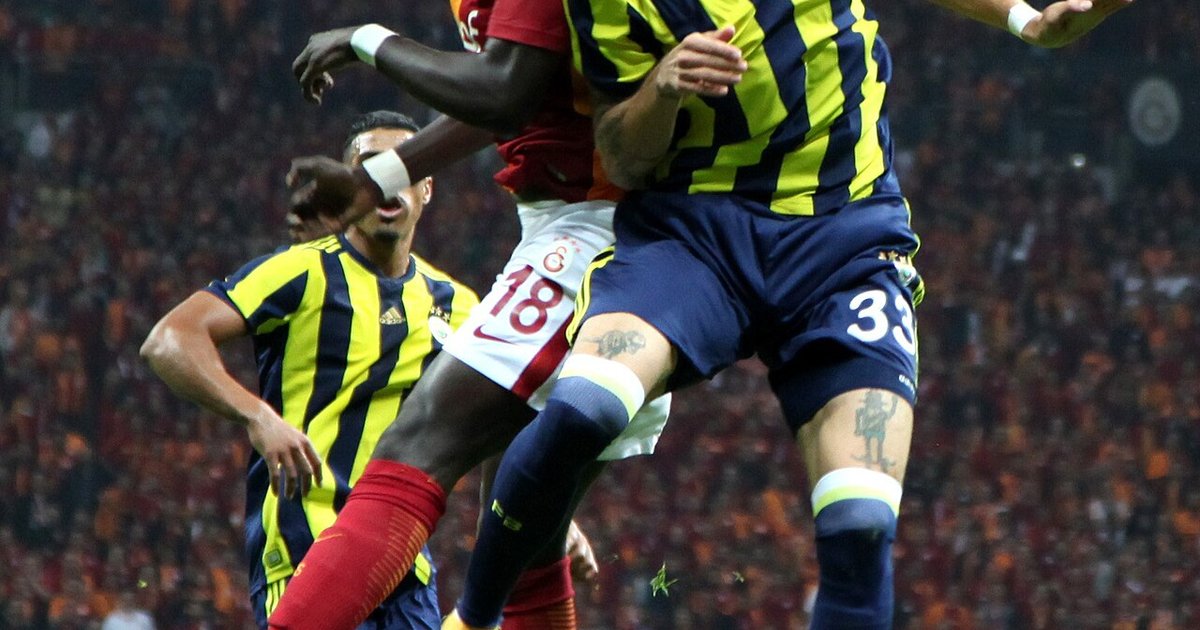
Watch any top team lose the ball today and you will see something that would have baffled coaches thirty years ago: instead of dropping back into shape, the whole team sprints toward the ball. Three, four, five players swarm the opponent who just won it, cutting off every passing lane, hunting in a pack. That is high pressing — football's most feared tactic — and it has reshaped how the modern game is played.
High pressing means defending from the front: applying intense pressure high up the pitch, in the opponent's half, with the aim of winning the ball back as close to their goal as possible. When it works, it is devastating — turnovers become instant chances, opponents panic, and goals arrive in waves. When it fails, it leaves oceans of space behind, and one good pass can undo the whole team. This guide explains what high pressing is, how it works, why the best teams swear by it, and where the risks hide.
What high pressing actually is
At its core, pressing is simple: when your team loses the ball, the nearest players immediately chase it instead of retreating. High pressing takes that idea and pushes it to the extreme — the pressure starts near the opponent's penalty area, not in midfield, and it involves the forwards as the first line of defense.
The logic is about distance. Winning the ball thirty yards from the opponent's goal means a single pass can create a shooting chance; winning it near your own goal means you still have eighty yards to travel. High pressing is a bet that the chaos of an instant, aggressive hunt produces more goals than the safety of a deep defensive block. The numbers behind modern analytics back the bet: turnovers in the final third produce scoring chances at a far higher rate than possession won anywhere else on the pitch.
It is also a team action, not an individual one. One player chasing wildly achieves nothing — a good press needs the whole team to move together, squeezing the space around the ball like a net tightening. The first player pressures the ball carrier; teammates cover the passing lanes around him; the defensive line pushes up to compress the space. If any part of the net has a hole, the press is broken.
Gegenpressing and the Klopp era
The modern form of high pressing is inseparable from the German word gegenpressing — literally "counter-pressing": pressing immediately after losing possession. The idea is older than any one coach — Dutch sides of the 1970s and Arrigo Sacchi's great AC Milan team of the late 1980s all hunted the ball aggressively — but it was Jürgen Klopp who turned it into a defining philosophy of the modern game.
Klopp's Borussia Dortmund side built its identity on it: lose the ball, win it back within seconds, attack before the opponent is organized. He carried the same doctrine to Liverpool, where it powered one of the most intense teams in English football history, culminating in a Champions League triumph built on relentless energy. Klopp's famous description of his style — heavy-metal football versus the orchestral patience of possession teams — captured the emotional core of the press: it is football played at full sprint, and it is exhausting to face.
Pep Guardiola arrived at a similar place from the opposite direction. His Barcelona team pressed furiously after losing the ball precisely because they wanted possession back to control the game again — the press as a tool of dominance rather than chaos. The famous principle his teams followed was to win the ball back within seconds of losing it, swarming the opponent before they could lift their heads. Two rival philosophies, one shared conviction: the moment of transition, when possession changes hands, is the most dangerous moment in football, and the team that masters it controls matches.
Pressing triggers: when the hunt begins
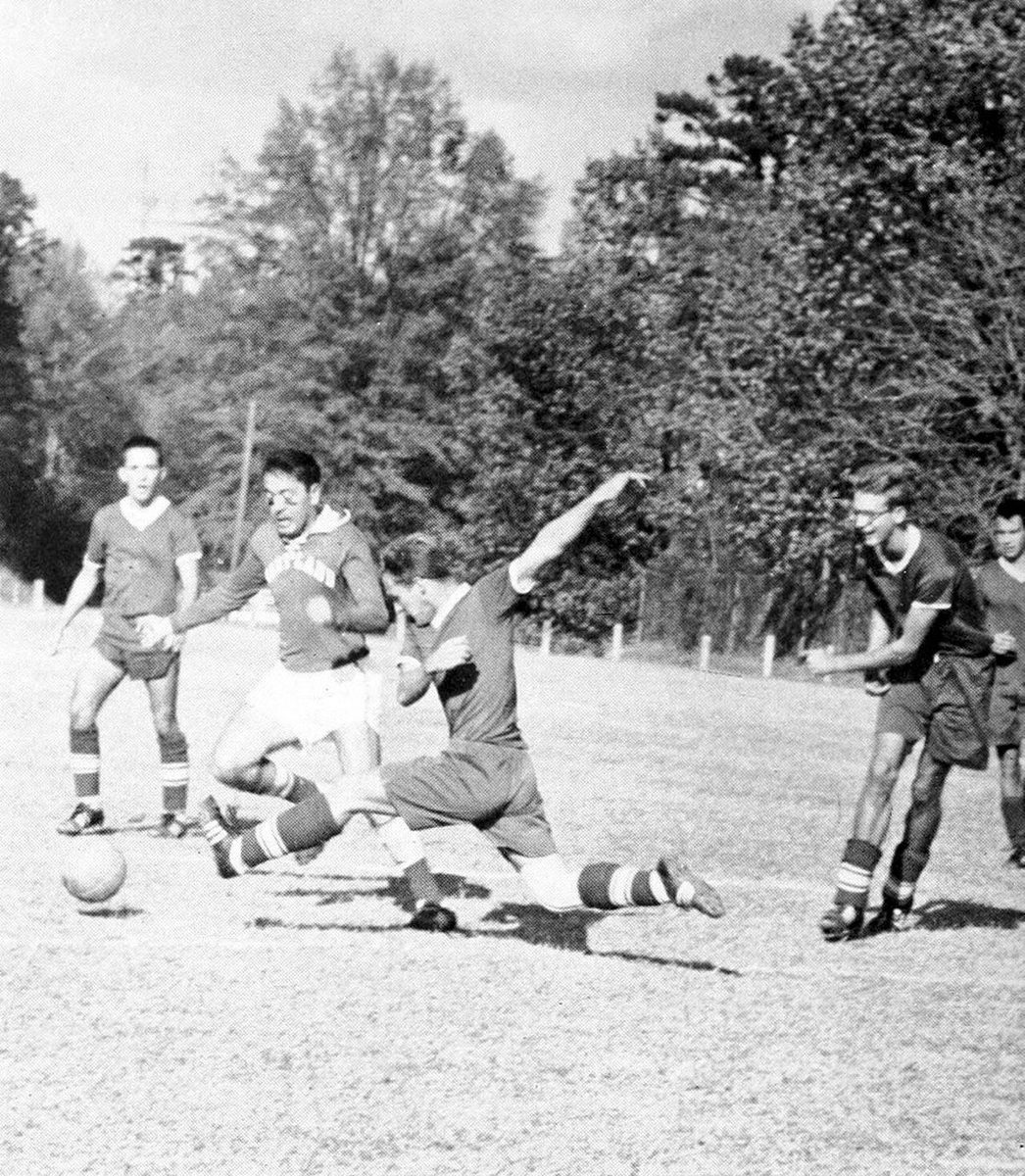
Great pressing teams do not chase everything — that way lies exhaustion. They press on triggers: specific situations where the opponent is vulnerable and the chance of winning the ball is high. Learning to spot triggers is learning to read the game.
A bad first touch. The clearest trigger in football. When an opponent's touch bounces off their foot or runs too far ahead, the nearest presser pounces instantly. This is why coaches drill first touch relentlessly — a heavy touch against a pressing team is practically a turnover.
A pass to the touchline. When the ball goes to a fullback near the sideline, the touchline becomes an extra defender — the receiver cannot escape that way. Pressing teams deliberately funnel play wide, then trap the fullback against the line with two or three players.
A backpass to the goalkeeper. Most goalkeepers are the weakest outfield players on the pitch. Forcing the ball back to the keeper and then sprinting at him can force a rushed clearance straight to your midfielders.
A slow or sideways pass. Passes played behind a teammate or at walking pace give the press time to arrive. Elite pressing sides read the speed of the opponent's circulation and jump the moment it drops.
The opponent facing their own goal. A player receiving the ball with their back to your goal cannot see the press coming and has limited options. The moment of the turn is the moment to strike.
Player roles in a high press
A press only works if everyone knows their job. The roles are demanding, specific, and very different from traditional defending.
The first presser — usually a striker — sprints at the ball carrier the instant possession is lost, but with discipline: the run must curve to block the easiest pass while approaching, a technique called pressing with a cover shadow, where the presser's body position cuts off the passing lane behind them. A straight sprint at the ball is easy to play around; a curved run that blocks the escape route is a trap.
The second wave — the other forwards and advanced midfielders — marks or shadows the ball carrier's nearest options. Their job is anticipation: they start moving before the pass is played, so they arrive as the ball does. The best pressing forwards are judged as much on these sprints as on their goals.
The midfield screen pushes up behind the press to pick up second balls and block passes into midfield. If the press is beaten with one pass, these players are the safety net — which is why pressing midfielders need exceptional stamina and reading of the game.
The defensive line holds a high line to compress the space, sometimes near the halfway line. This is the riskiest job in the press: it requires fast defenders who are comfortable defending large spaces one-on-one, and a goalkeeper willing to sweep behind them. One mistimed step, and the opponent is through on goal.
Why top teams swear by it: the advantages
The benefits of high pressing explain why nearly every elite team now presses in some form. First, it creates chances from chaos. Defenders who win the ball facing their own goal make mistakes; a turnover twenty yards out needs only one pass to become a shot. Many of the most memorable goals of recent years began as pressing turnovers.
Second, it keeps the opponent away from your goal. The best form of defending is making the opponent defend. Teams pinned in their own half cannot build attacks, cannot rest, and gradually lose belief. Territory in football is psychological as much as tactical.
Third, it sets the tempo. A pressing team dictates the rhythm of the match — fast, frantic, physical. Opponents who prefer slow, controlled buildup are dragged into a game they hate. And fourth, it electrifies crowds: nothing lifts a stadium like a pack of players hunting the ball, and that energy feeds back onto the pitch.
The risks: why pressing can collapse
Every strength of the press is also a weakness. The tactic demands extraordinary fitness — sprinting to press dozens of times per match, week after week, breaks players down. Pressing teams famously fade late in seasons or need deep squads to rotate; the intensity that wins in October can look leggy by April.
The high defensive line is a permanent gamble. Beating the press with one vertical pass or a calm piece of skill leaves defenders sprinting back toward their own goal, and a single fast attacker can punish the space behind all afternoon. Teams that press high live with the knowledge that their worst moments will look catastrophic — a 40-yard through ball undoing ten players' work in two seconds.
There is also a tactical counter that has grown alongside the press: playing through it. Teams with technically gifted defenders and a composed goalkeeper can pass around the press, and each time they do, they find enormous space in midfield. Others go long over the top, bypassing the press entirely and turning the high line into a liability. The press is a weapon, not a magic spell — and every weapon invites a counter-weapon.
How to spot a press when you watch
You do not need tactical training to see pressing — just watch what happens in the five seconds after a team loses the ball. Do the nearest two or three players sprint toward it, or do they drop into shape? If they sprint, you are watching a press. Notice the goalkeeper's starting position: pressing teams play their keeper almost as a sweeper, far off the line, ready to clear balls over the top.
Listen to the rhythm too. Pressing matches have a distinctive pattern: frantic bursts when the ball is contested, then brief lulls as both teams recover. And watch the forwards' defensive work — in a true pressing side, the strikers cover as much ground chasing as they do attacking. When commentators praise a forward's "work rate," they are usually describing pressing.
Fútbol Libre is a guide to official viewing options.
Quick answers
What is high pressing in football? High pressing is a tactic where a team applies intense pressure in the opponent's half immediately after losing the ball, aiming to win it back as close to the opponent's goal as possible.
What is gegenpressing? Gegenpressing is the German term for counter-pressing — pressing instantly after losing possession. It became famous as the defining tactic of Jürgen Klopp's Borussia Dortmund and Liverpool sides.
Why do teams press high up the pitch? Because turnovers near the opponent's goal create the best scoring chances in football, and because sustained pressure keeps opponents pinned back, sets a frantic tempo, and prevents them from building attacks.
What are pressing triggers? Specific situations that signal the press to start: a bad first touch, a pass to a fullback trapped near the touchline, a backpass to the goalkeeper, a slow pass, or an opponent receiving the ball facing their own goal.
What are the risks of high pressing? It demands extreme fitness, leaves huge space behind a high defensive line that one good pass can exploit, and can be beaten by teams who pass calmly through it or play long balls over the top.
Which teams are famous for high pressing? Jürgen Klopp's Borussia Dortmund and Liverpool made gegenpressing world-famous, while Pep Guardiola's Barcelona and Manchester City sides pressed furiously to win the ball back within seconds of losing it.